The Best Places Usually Aren't Viral
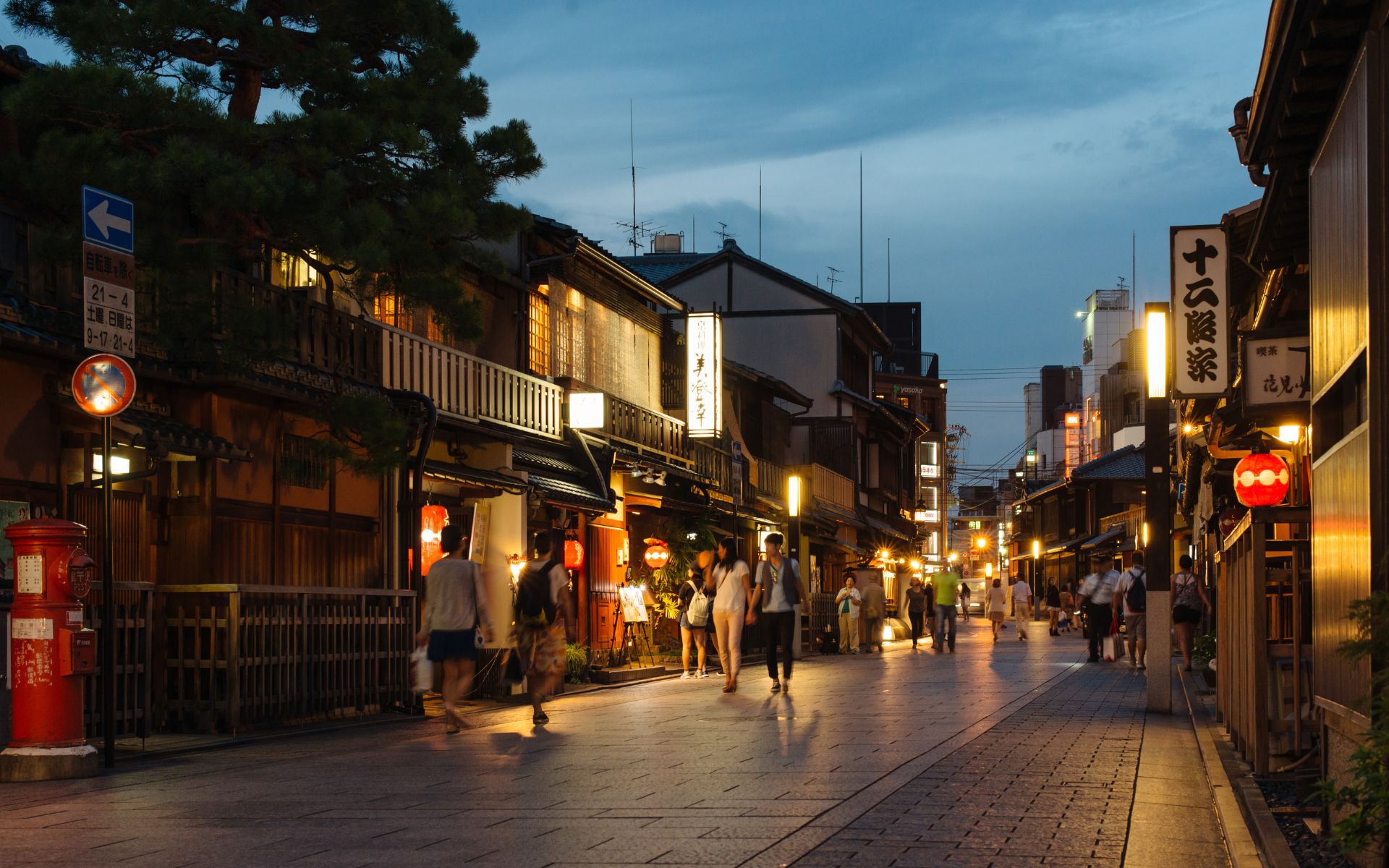
There's a particular kind of travel planning that happens entirely on your phone before you've even left the house. You don't really discover a place anymore, you inherit it, pre-approved and pre-photographed by thousands of strangers who got there first. I do this every single time, no matter how much I tell myself I won't. I'd like to publicly apologise to the algorithm in advance of this post. It really wanted me to eat that ice cream.
For weeks before our trip to Kyoto, it showed up on my feed with alarming consistency. Different creators, different angles but the same scoop, same queue and the same comments telling me this was “the most beautiful ice cream” in Kyoto.
By the time we landed in Japan, I was convinced not eating it would somehow invalidate the trip.
So naturally, we spent an embarrassing amount of time trying to find it. It was... fine.
Not bad, just overhyped ice cream that had somehow acquired the kind of reputation usually reserved for Michelin starred restaurants and Studio Ghibli.
We almost didn't finish it.
I'd love to say that was the moment I learned my lesson and swore off letting Instagram plan my holidays. It wasn't, I still get sucked in more than I'd like to admit. The FOMO is real, and some algorithm somewhere clearly has my number, because it keeps working.
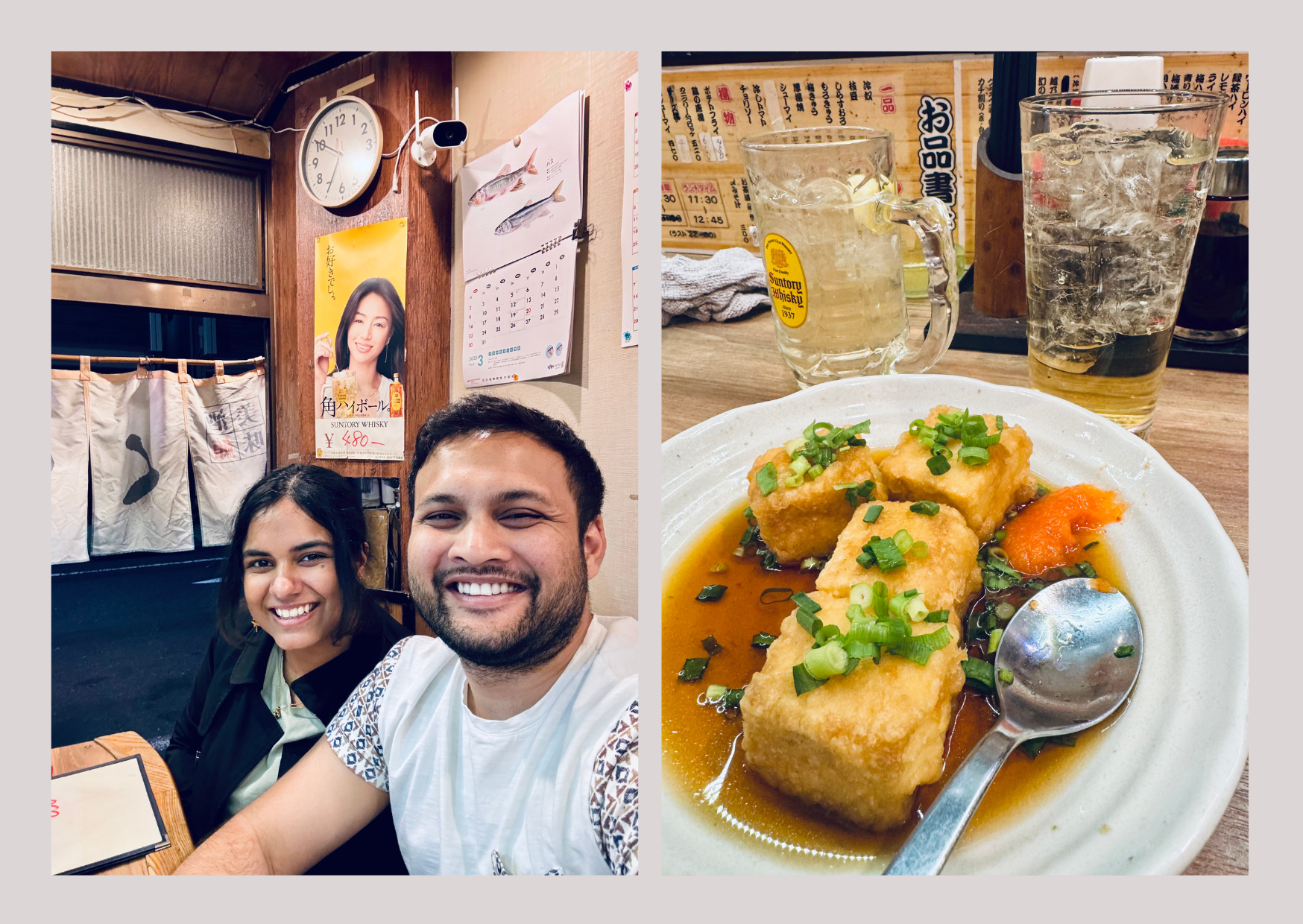
Which is funny, because later that evening we wandered into a tiny izakaya that probably wouldn't survive five seconds on Instagram. I don’t even know its name because there were no English titles.
It could only fit about twenty people, and we ended up at the bar because all four tables at the back were taken. There was no English menu. Google Translate was doing its absolute best, which wasn't saying much. An older man stood behind the counter, working a well-seasoned wok like it was an extension of his arm, never seeming to stop cooking, while his wife somehow managed to welcome every single person who walked through the door like they'd been coming there for years.
A couple of beers later, the people sitting beside us were trying to teach us Japanese. Everyone laughed at everyone else's pronunciation. Nobody seemed to mind.
I've forgotten almost everything about the ice cream but I still think about that izakaya. And I don't think that's a coincidence. Somewhere along the way, travel stopped being about finding places and became about confirming they existed.
We've become detectives of other people's holidays. We collect saved Reels like they're an itinerary. We know exactly where to stand because someone else stood there first. We order the thing that keeps appearing on our feed because, statistically speaking, hundreds of thousands of strangers can't all be wrong.
Except... sometimes they can. Or maybe "wrong" isn't the right word. Instagram doesn't reward the best experiences, it rewards the experiences that look best on a six inch screen.
Those are very different competitions.
You see it while traveling all the time. Queues for viewpoints, queues for cable cars, queues to take the exact same photo everyone else has already posted. It's a beautiful view, but you're also sharing it with about three coach loads of people all silently pretending they have the place to themselves.
Nobody ever posts the train you took because you missed the connection, or the tiny café where you hid from the rain. Or the family run restaurant you found because your original plan was closed.
Oddly enough, those are usually the stories people tell when they get home. Not the viral ones, the real ones.