
The Big Fat Indian Expectation
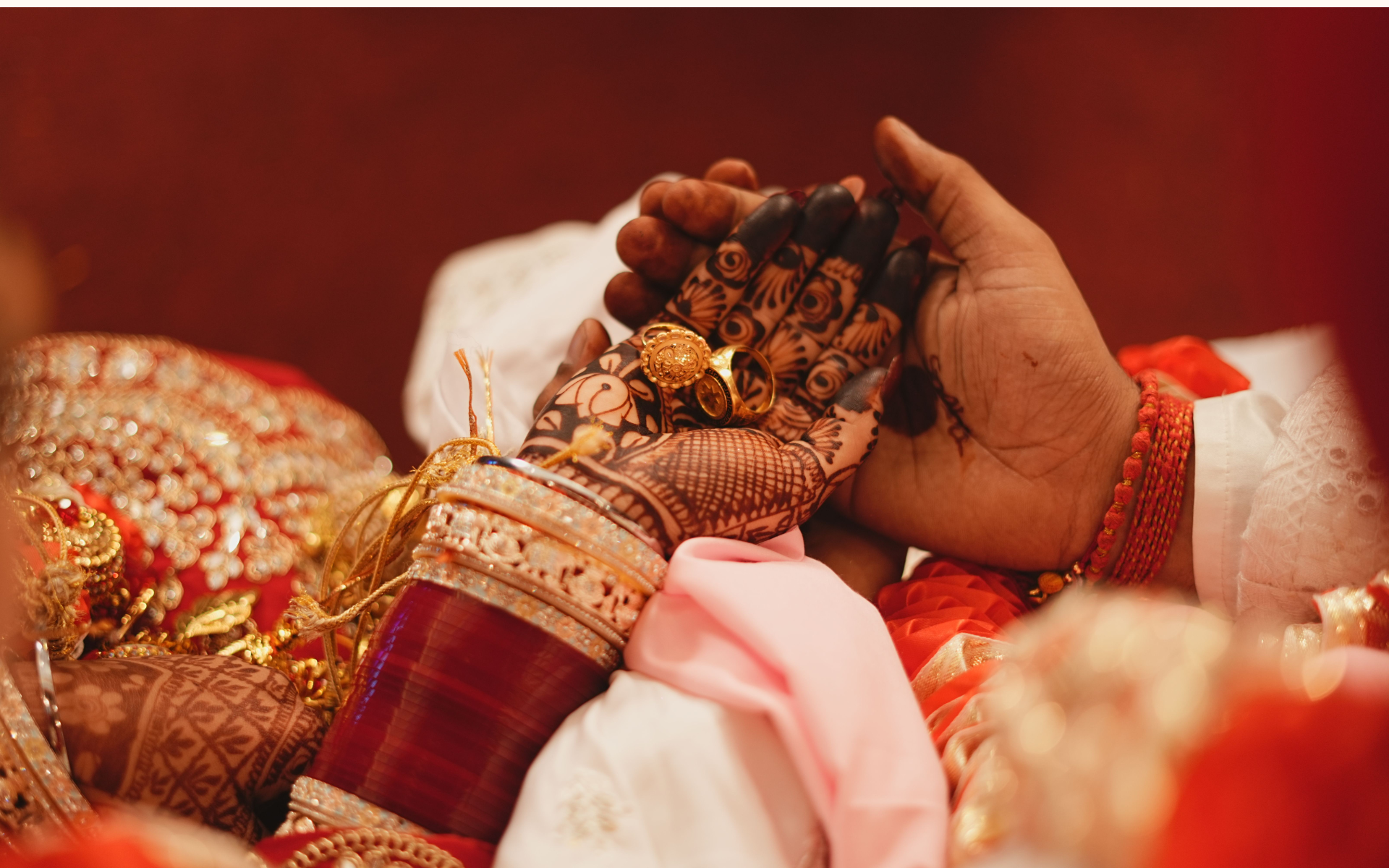
My mother bought me gold for my wedding. Real gold, the kind that lives in a locker and only comes out for weddings and special occasions.
"Why," I asked her once, "when you knew I'd barely wear most of it?"
"It was my duty as your mother."
Not because you asked, not because I thought you'd love it but because of "Duty".
And my mother isn't an extravagant woman. She doesn't spend to impress anyone which is what makes her answer so telling. She'd been quietly setting gold aside for my wedding since before I'd even met my husband. The ceremony lasts a few days but the expectations start decades earlier.
Inherited, not chosen
Gold in India has never really been just jewellery, it's wealth, status, and, for women particularly, a rare form of financial ownership. Weddings alone drive roughly half of India's annual gold demand, a habit tied to streedhan, the old custom of gifting a woman property at marriage that remains legally hers.
So when my mother says "duty," she's not talking about vanity. She's talking about something passed down, wrapped in phrases that never quite sound like pressure: every mother does this, and what will people say? By the time you're old enough to question it, it already feels like common sense.
The scale of it all
Big Indian weddings aren't new, one widely cited 2024 Jefferies report found Indian families spend nearly twice as much on a single wedding as on a child's entire education, pre-primary through graduation. Eighteen years of school, versus one weekend.
That's not because we don't value education, it's because a wedding isn't really a private milestone here. It's a public statement, about taste, money, and standing, made in front of an audience that keeps growing.
Whose wedding is it, anyway?
A marriage belongs to two people but the wedding, somehow, belongs to everyone else. The relatives no one's seen in years, the colleague's parents, the cousin your mother hasn't spoken to since 2008 but who must be invited or "it'll look bad." Two people getting married turns into a logistics exercise run by committee. I suspect that's the real engine behind the Big Fat Indian Wedding, not excess for its own sake, but the fear of looking inadequate next to everyone else's. If your cousin had five functions, can you really have two?
What's interesting is how little this depends on religion. My family is Catholic, no streedhan but the gold still showed up, mother to daughter, the same way it did for my mother and hers. Smaller scale than some Hindu weddings I've seen, but the same instinct underneath, a mother quietly setting something aside because that's simply what's done. Talk to a Sikh friend planning her wedding, or a Muslim one, and the specifics change but the shape doesn't. Whatever religion runs through it, an Indian wedding is an Indian wedding first.
What actually matters
I love weddings, the outfits, the food, the aunties judging everyone's clothes. There's real beauty in it, but a marriage isn't the mandap or the lehenga or whether 400 people showed up. It's the unglamorous stuff: choosing each other on an ordinary Tuesday, having the same argument for the 47th time and finally learning to have it better, figuring out whose turn it is to cook and still wanting to sit next to each other when there's no photographer around.
My mother's generation never really got to question these traditions. She bought the gold because her mother told her that's what a good mother does. That doesn't make it meaningless, it just means we get to ask whether it still serves the people living it.
If someone wants the gold, give them the gold. If someone wants 500 guests, let them have 500 guests. And if someone wants a small ceremony, or none at all, or to put that money toward something else entirely? Let them! That's probably what progress actually looks like here. Not rejecting the tradition, just finally letting the people living it choose it.