
Turmeric: The Spice That Wouldn't Stay in the Kitchen
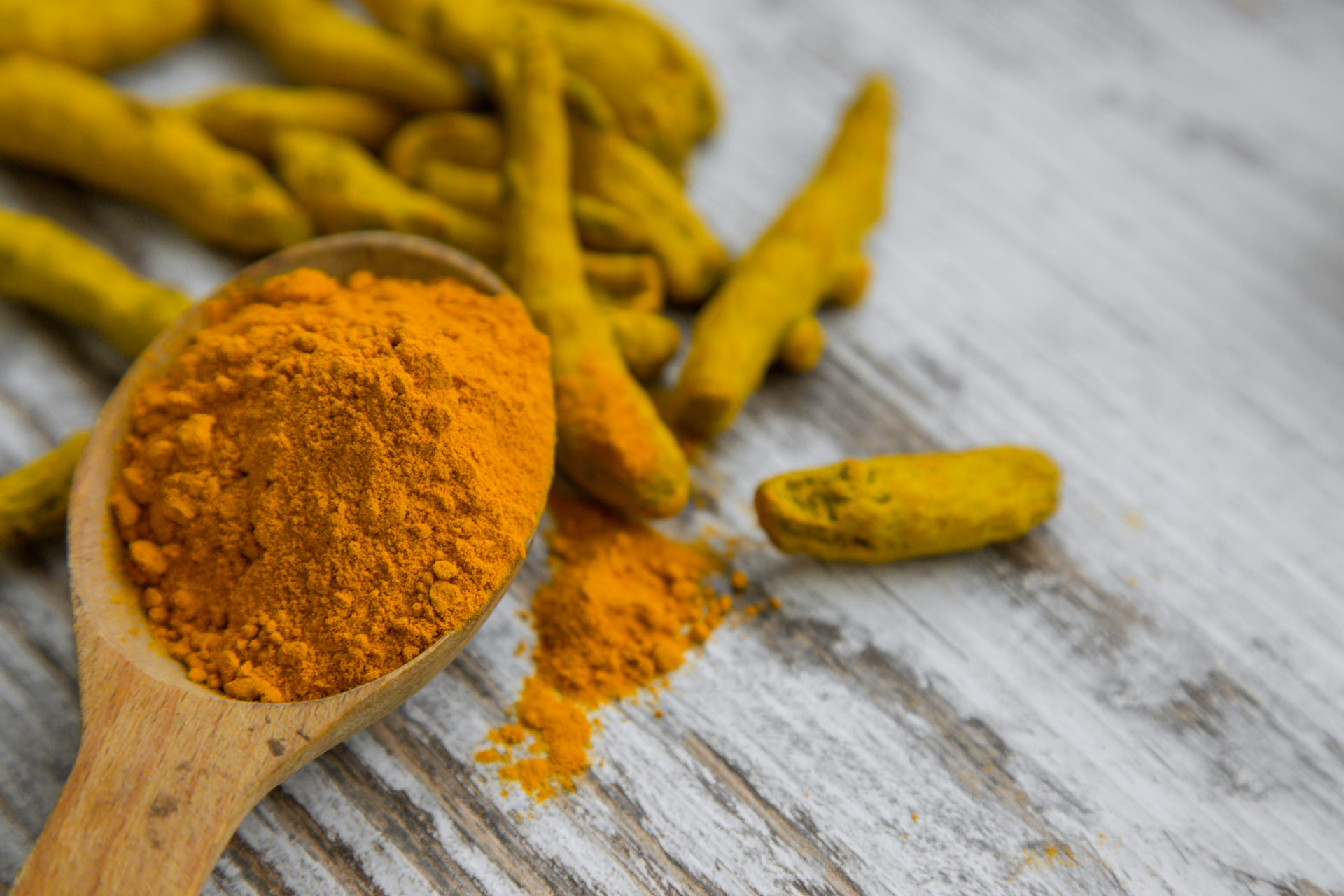
Since I was a kid, turmeric or haldi has played a surprisingly versatile role in my house. It wasn't just something my mother reached for when she was cooking. There was besan (gram flour) and haldi when we needed a face mask. Haldi doodh (turmeric milk) when we had a cold, or sometimes simply when we couldn't sleep. And if we got a cut or scrape, my grandmother had another use for it, she would put turmeric on the wound.
Turmeric has been used in India for nearly 4,000 years, with evidence of its use going back to Vedic culture. It has had a remarkably long and varied life: as a spice, dye, cosmetic, religious ingredient and traditional medicine. Ayurvedic and other South Asian medical traditions used turmeric for a range of ailments, including digestive problems, colds, skin conditions and wounds. In other words, the turmeric in my kitchen was part of a tradition that was thousands of years old.
From curry to face mask
The easiest place to understand turmeric's staying power is food. It gives curries their unmistakable golden colour, goes into dals, vegetables, rice, pickles and spice blends, and is used across Indian cuisines in ways that go far beyond simply adding flavour.
I also learnt the hard way that turmeric takes its colouring abilities very seriously. I once used my Magic Bullet to make a spice mix for a curry. The curry was great but my Magic Bullet was never the same again. The yellow stain simply refused to leave.
Some ingredients are more committed than others.
Then it found its way onto my face. The besan-haldi face mask is one of those home remedies that seemed completely normal when I was growing up. Mix turmeric with gram flour, perhaps add some yoghurt or milk, put it on your face and wait. Once it hardened, you washed it off and voila the glow was undeniable :)
And then, of course, there is the haldi ceremony at every big Indian wedding. Turmeric has long been associated with purity, prosperity and fertility in Indian traditions, and its use in weddings is another example of how deeply this one spice has woven itself into everyday and ceremonial life.
It is quite something when you think about it, the same yellow powder can be in your curry at lunch, on your face in the afternoon and all over a bride and groom before they get married.
And then there was the medicine
This is probably where my family's relationship with turmeric gets most interesting. My grandmother putting turmeric on a cut wasn't just an old wives' tale pulled out of nowhere. Turmeric has a long history of medicinal use, and its major compound, curcumin, has been studied for anti-inflammatory and antimicrobial properties. Researchers have also investigated its potential role in wound healing.
But there is an important distinction between turmeric having potentially useful properties and putting the turmeric from your kitchen cupboard onto an open wound.
Household turmeric is a food product, not a sterile medical preparation. Modern first-aid guidance recommends cleaning minor cuts with running water and protecting them with a clean dressing, rather than putting kitchen ingredients into an open wound.
So perhaps my grandmother wasn't completely wrong. She just didn't have the benefit of knowing that something can have antimicrobial properties and still not be appropriate for an open wound.
Maybe that's the lesson of turmeric
What I find fascinating about turmeric is how easily it crosses the boundaries between food, beauty, medicine and tradition. It has been doing this for thousands of years.
But I also think there is something to be said for knowing where tradition ends and evidence begins. Turmeric can be a wonderful spice without being a cure-all. Curcumin may have interesting medicinal properties without every turmeric health claim on the internet being true. And a remedy being used by generations of grandmothers doesn't automatically make it safe for every situation.
Maybe that's the real beauty of turmeric. We don't have to dismiss everything our grandmothers did just because modern science hadn't explained it yet, but we don't have to blindly repeat it either. Sometimes we can keep the haldi in the dal, enjoy the haldi doodh, put on the face mask, and when we cut ourselves, reach for the first-aid kit.